Hysteroscopy
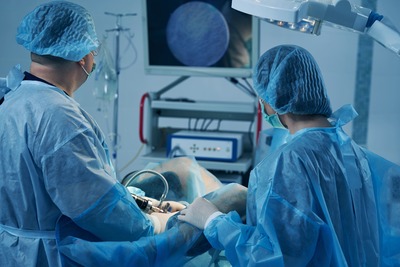

Hysteroscopy is a medical procedure used to examine and treat the uterine cavity. There are two types of hysteroscopy: diagnostic and operative.
What is diagnostic and operative hysteroscopy?
Diagnostic hysteroscopy: This examination allows the uterine cavity to be inspected to identify any abnormalities. It is usually performed without anesthesia in a gynecologist's office. However, in some cases, it may be performed under general anesthesia in an operating room.
Operative hysteroscopy: When uterine polyps or fibroids are detected, operative hysteroscopy may be necessary. This procedure is performed under general anesthesia in the operating room, allowing for the treatment of abnormalities identified during the diagnostic examination.
In what cases is it performed?
- Abnormal uterine bleeding
- Suspicion of polyps, fibroids, or synechiae
- Investigations into causes of infertility
- Abnormalities detected during an ultrasound scan
- Post-surgical evaluation of the uterus
How to prepare?
- Preliminary consultation with the doctor to discuss medical history and expectations.
- Avoid eating and drinking for several hours before the examination if general anesthesia is planned.
- Inform your doctor about any medication you take regularly.
- Possible preoperative testing.
How does the exam work?
Diagnostic hysteroscopy:
- The patient is positioned in the gynecological position.
- A hysteroscope, a thin instrument equipped with a camera, is inserted into the uterus via the vagina and cervix.
- The uterine cavity is visualized on a screen in real time to detect abnormalities.
Operative hysteroscopy:
- The examination is performed under general anesthesia in the operating room.
- An operative hysteroscope is used, allowing surgical instruments to be inserted to remove polyps, fibroids, and synechiae.
- The procedure is performed under visual guidance.
What are the consequences after the exam?
- Mild to moderate abdominal cramps
- Light vaginal bleeding for a few days
- Rest is often recommended after operative hysteroscopy.
Specific instructions for resuming daily activities and post-operative care will be provided by the doctor.
For more information or to make an appointment, please don't hesitate to contact me. I am here to answer all your questions and support you throughout your medical journey.